Essential Oxygen Depletion Sensor Tips
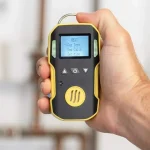
An oxygen depletion sensor is a vital safety device that can help prevent carbon monoxide poisoning in enclosed spaces. This sensor is designed to monitor and detect the levels of oxygen in the air, sounding an alarm when oxygen levels drop below a certain threshold.
Whether used in a home, workplace, or recreational vehicle, an oxygen depletion sensor provides an extra layer of protection against the dangers of carbon monoxide. By alerting individuals to low oxygen levels, these sensors can help prevent illness, injury, and even death caused by the silent but deadly gas. In this article, we will explore how oxygen depletion sensors work, where they are commonly used, and why they are such an important safety feature in any enclosed space.

How do Oxygen Depletion Sensors Work?
Oxygen depletion sensors operate by constantly monitoring the oxygen levels in the air within an enclosed space. When oxygen levels fall below a certain percentage, typically around 19.5%, the sensor triggers an alarm to alert individuals of the potential danger. This alarm serves as a warning sign for occupants to immediately vacate the area and seek fresh air. By detecting the decrease in oxygen, an oxygen depletion sensor can effectively prevent carbon monoxide poisoning and other health risks associated with inadequate ventilation or combustion processes.
Whether used in a home, workplace, or recreational vehicle, an oxygen depletion sensor provides an extra layer of protection against the dangers of carbon monoxide. By alerting individuals to low oxygen levels, these sensors can help prevent illness, injury, and even death caused by the silent but deadly gas. In this article, we will explore how oxygen depletion sensors work, where they are commonly used, and why they are such an important safety feature in any enclosed space.
In conclusion, oxygen depletion sensors play a crucial role in safeguarding against carbon monoxide poisoning by detecting low levels of oxygen in enclosed spaces. These sensors serve as a vital warning system, allowing occupants to evacuate and avoid potential health hazards associated with insufficient ventilation. Whether installed in homes, workplaces, or recreational vehicles, the presence of an oxygen depletion sensor can make a significant difference in preventing illness, injury, and tragic outcomes caused by carbon monoxide exposure. Prioritizing the installation and maintenance of these sensors is essential for ensuring the safety and well-being of individuals in indoor environments.