Effective Medical Waste Disposal: Keeping Your Facility Safe
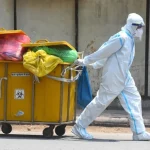
Proper medical waste disposal is a crucial aspect of maintaining public health and safety. With the ever-increasing amount of waste generated by healthcare facilities, it is essential to have effective systems in place to ensure that these contaminants are handled and disposed of correctly. Medical waste, which includes items such as used needles, blood-soaked bandages, and other potentially hazardous materials, poses significant risks if not handled with care. This article will explore the importance of proper medical waste disposal and the different methods used to manage this type of waste.
Improper disposal of medical waste can have severe consequences for both human health and the environment. It can lead to the spread of infectious diseases, injuries to sanitation workers or other individuals who come into contact with the waste, as well as contaminate water sources and pollute the air. Therefore, it is critical for healthcare facilities, laboratories, and other institutions producing medical waste to follow strict guidelines and regulations set forth by local authorities to minimize these risks. This article will discuss various disposal techniques such as incineration, autoclaving, and the use of chemical disinfection methods, highlighting their benefits and limitations in ensuring safe waste management in healthcare settings.
The Importance of Proper Medical Waste Disposal
Proper medical waste disposal is essential for maintaining public health and safety. With the increasing amount of waste generated by healthcare facilities, it is crucial to have effective systems in place to handle and dispose of these contaminants correctly. Medical waste, including items such as used needles, blood-soaked bandages, and other hazardous materials, poses significant risks if not properly managed.
Improper disposal of medical waste can have severe consequences for human health and the environment. It can lead to the spread of infectious diseases, injuries to sanitation workers or individuals who come into contact with the waste, as well as water and air pollution. Therefore, healthcare facilities and other institutions producing medical waste must follow strict guidelines and regulations set forth by local authorities to minimize these risks.
One such healthcare waste management company that provides comprehensive services is Medical waste disposal Fort Myers. They specialize in handling medical waste and ensuring safe and proper disposal practices in Fort Myers, Florida. Their experienced team follows all necessary protocols and regulations to protect public health and prevent any potential harm associated with medical waste disposal.
Methods of Medical Waste Disposal
Various methods are used to manage medical waste disposal, each with its own benefits and limitations. Some common techniques include incineration, autoclaving, and chemical disinfection.
Incineration is a thermal process that involves burning medical waste at high temperatures. It is effective in destroying pathogens and reducing the volume of waste but can have environmental drawbacks due to emissions.
Autoclaving uses steam under pressure to heat medical waste, effectively sterilizing it. This method is highly efficient in killing bacteria and viruses but requires significant energy consumption.
Chemical disinfection methods involve the use of chemicals to treat medical waste. While this technique can be effective, it requires careful handling of potentially hazardous substances.
Overall, proper medical waste disposal plays a crucial role in maintaining public health and safety. By following strict guidelines and using appropriate disposal methods, healthcare facilities can protect individuals and the environment from the potential risks associated with medical waste.
In conclusion, the proper disposal of medical waste is of utmost importance to protect public health and safety. Improper disposal can lead to the spread of infectious diseases, injuries, and environmental pollution. Healthcare facilities and other institutions must adhere to strict guidelines and regulations to minimize these risks. Various methods, such as incineration, autoclaving, and chemical disinfection, are used to manage medical waste disposal, each with its own benefits and limitations. By following proper protocols and using appropriate disposal methods, healthcare facilities can effectively mitigate the potential hazards associated with medical waste.