Master The Violin: Beginner’S Guide To Learning And Playing
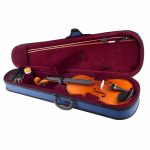
Learning the violin is a fascinating and rewarding journey that opens up a world of beautiful music and self-expression. Whether you are a beginner with no prior musical experience or an experienced musician looking to expand your repertoire, mastering this versatile instrument requires dedication, patience, and guidance. In this article, we will explore the fundamentals of learning violin, including the importance of proper technique, the necessary equipment, and the various resources available to help you embark on this musical adventure.
The violin has a rich history dating back centuries and has been an integral part of numerous genres such as classical music, jazz, folk, and even contemporary pop. With its distinctive sound and expressive capabilities, the violin offers endless possibilities for musicians of all backgrounds. However, it is essential to approach violin playing with a solid foundation in technique. From understanding how to hold the bow correctly to positioning your fingers on the fingerboard, developing proper form is crucial for producing a beautiful tone and preventing injuries.
Moreover, exploring the different types of violins, bows, and accessories available can greatly enhance your playing experience. Every violinist has unique preferences when it comes to finding their perfect instrument, whether it be the type of wood used, the size of the instrument, or even the weight of the bow. Understanding the components and qualities of these musical tools can help you make informed decisions when selecting or upgrading your equipment.
The Importance of Proper Technique
When it comes to learning the violin, mastering proper technique is crucial for achieving a beautiful and expressive sound. The fundamentals of violin technique lay the foundation for playing with ease and precision, allowing you to fully explore the instrument’s capabilities. Whether you are a beginner or an advanced player, understanding the correct posture, bowing techniques, and finger placement is essential.
One valuable resource for learning and improving your violin technique is the fundamentals of violin technique. This comprehensive guide provides detailed instructions and visual demonstrations on everything from holding the violin correctly to producing a clear and resonant tone. By following the principles outlined in this guide, you can develop the muscle memory and coordination necessary to play the violin with confidence and artistry.
Exploring Equipment and Accessories
As you delve further into your violin journey, it is essential to understand the various types of violins, bows, and accessories available to you. Each instrument possesses its own unique qualities, such as tonal characteristics and playability. By exploring the range of options, you can find an instrument that suits your individual preferences and allows you to express yourself fully.
Additionally, accessories such as shoulder rests, rosin, and chinrests can greatly impact your comfort and playing experience. The fundamentals of violin technique provides valuable insights into choosing and using these accessories effectively to enhance your performance. By investing in quality equipment and understanding how to optimize their use, you can maximize your potential as a violinist.
In conclusion, learning the violin is a journey that requires dedication, patience, and guidance. With proper technique and understanding of equipment and accessories, you can unlock the full potential of this versatile instrument. Mastering the fundamentals of violin technique is crucial for achieving a beautiful and expressive sound, and resources like the fundamentals of violin technique guide can provide valuable instruction and demonstrations. Exploring the range of violins, bows, and accessories available allows you to find the perfect fit for your preferences and enhance your playing experience. By immersing yourself in the world of violin, you can embark on a musical adventure filled with endless possibilities for self-expression and creating beautiful music.